Structural Racking
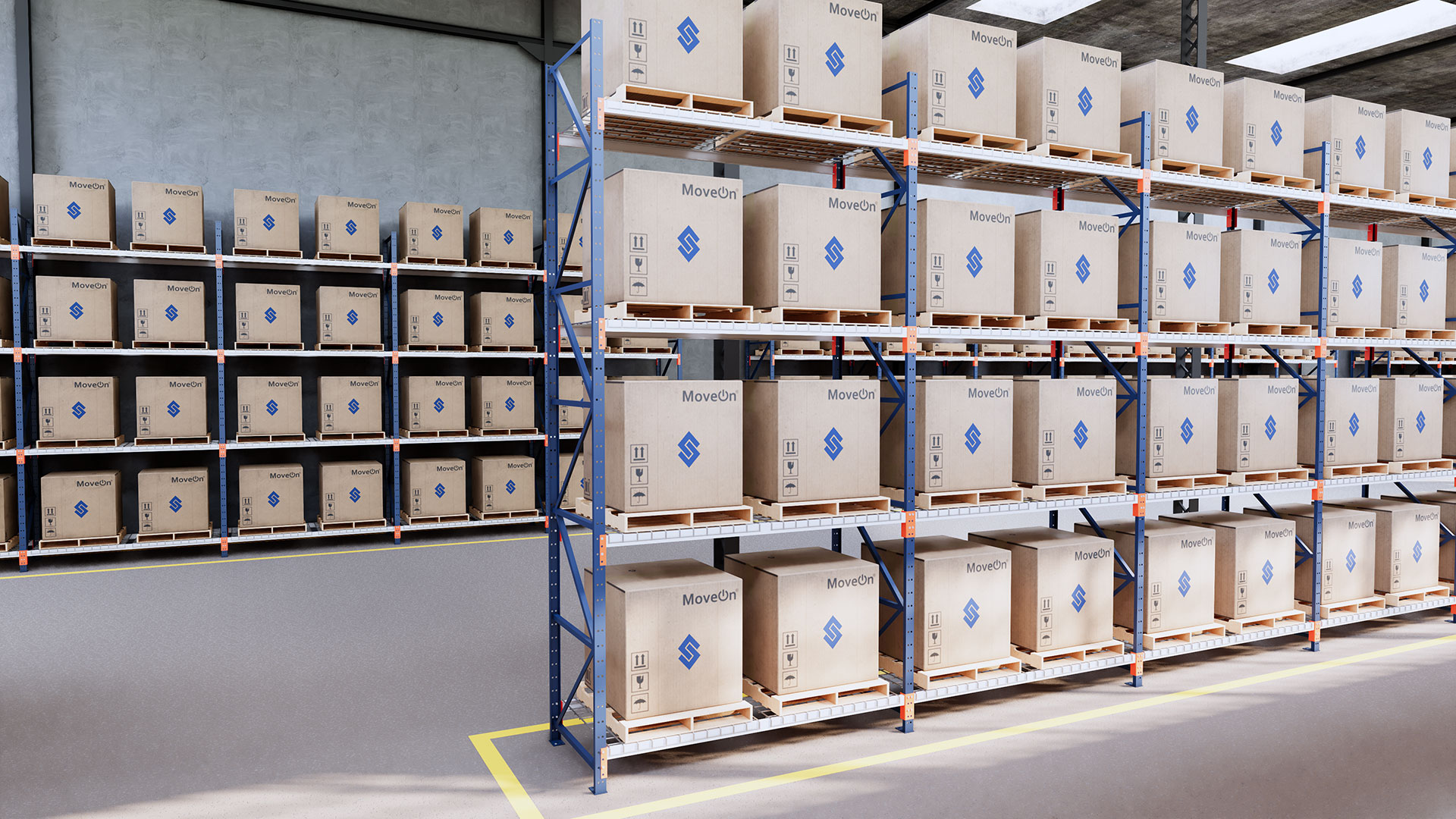
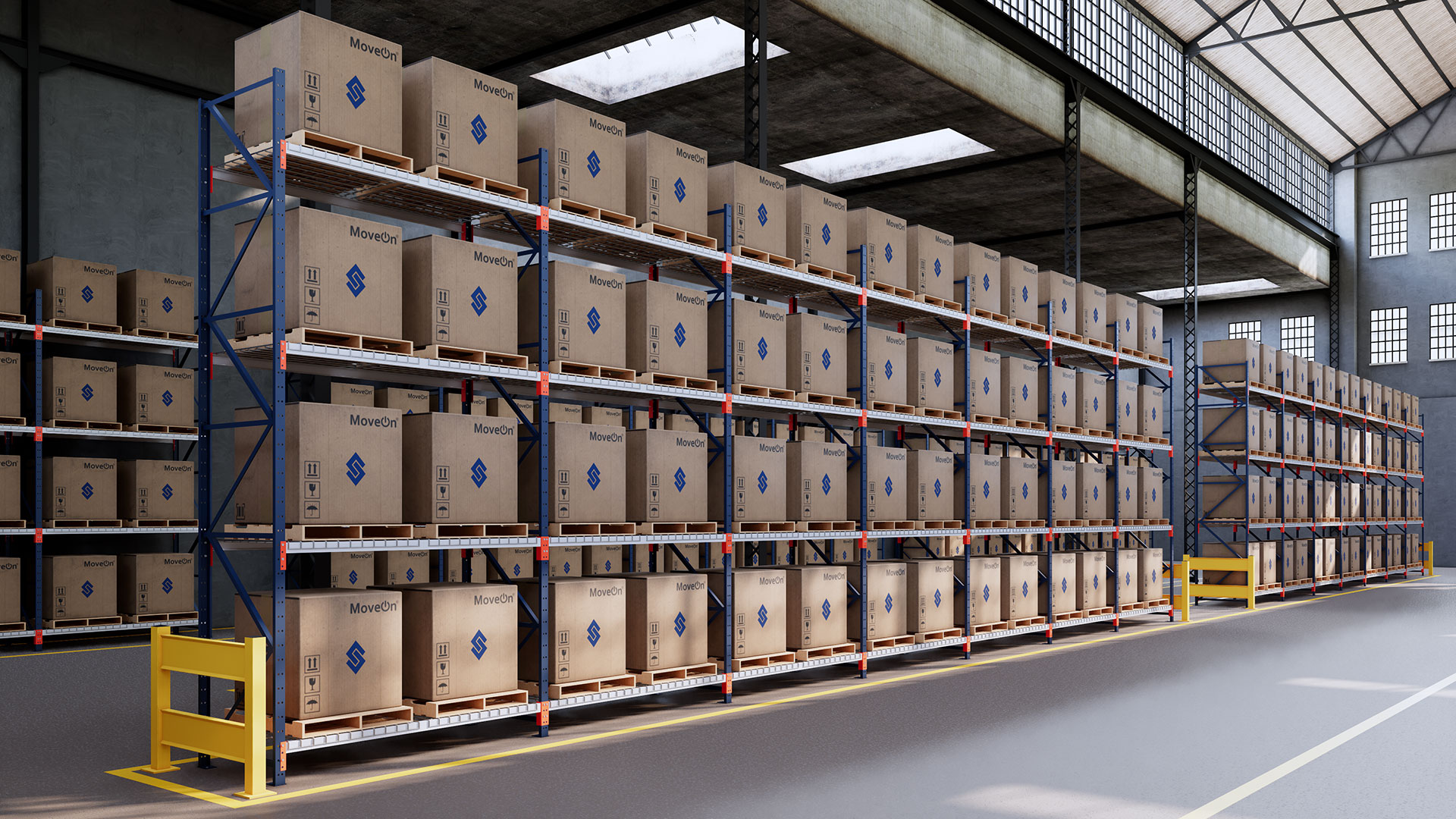
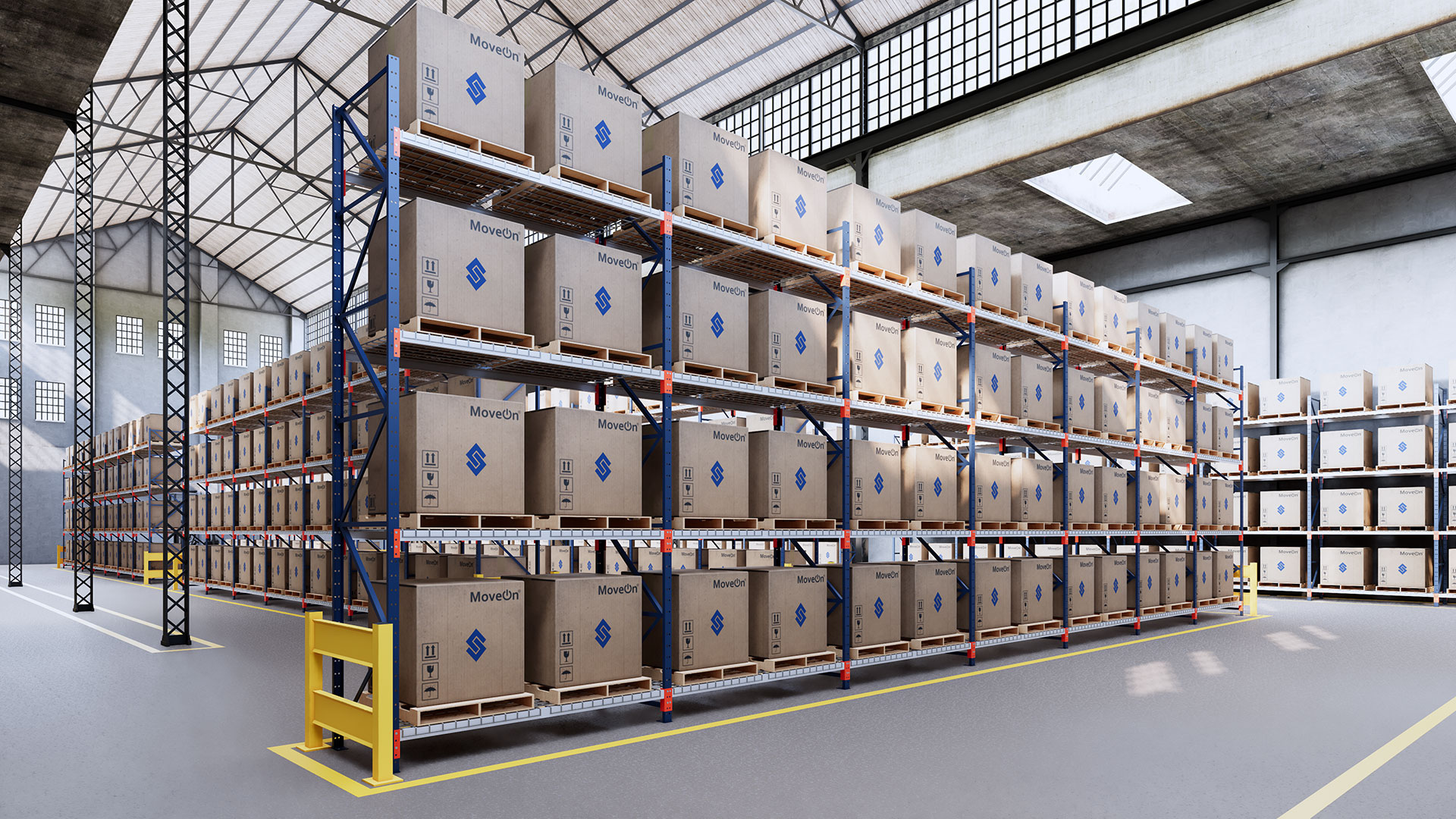
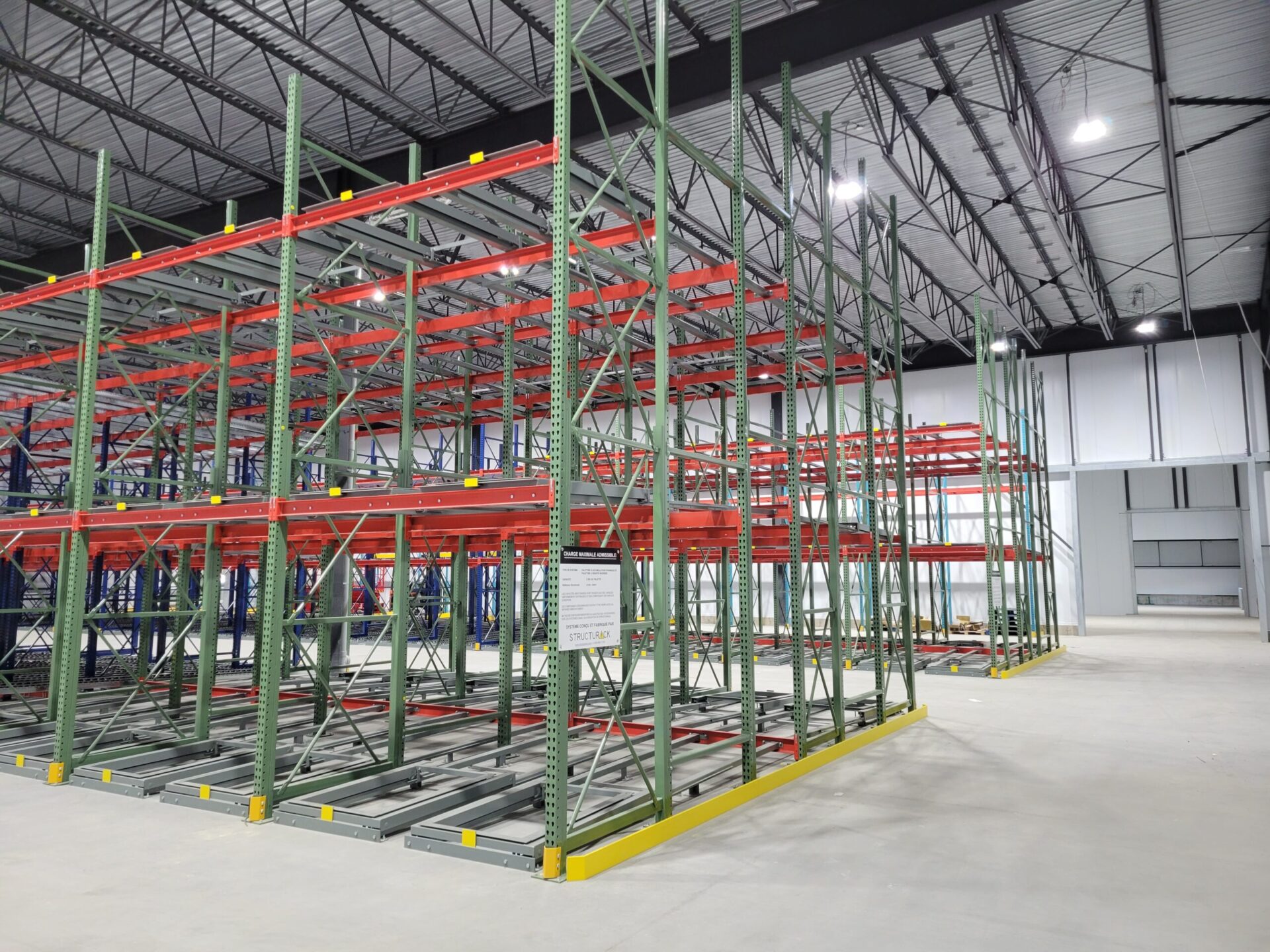
Structural pallet racking is a heavy-duty warehouse storage system manufactured using structural steel components, typically including hot-rolled steel columns and beams. Designed for demanding industrial environments, structural racking provides strength, rigidity, and durability for high-capacity storage applications. Speedrack engineers structural systems to meet specific load requirements, facility conditions, and applicable building codes.
Key Features
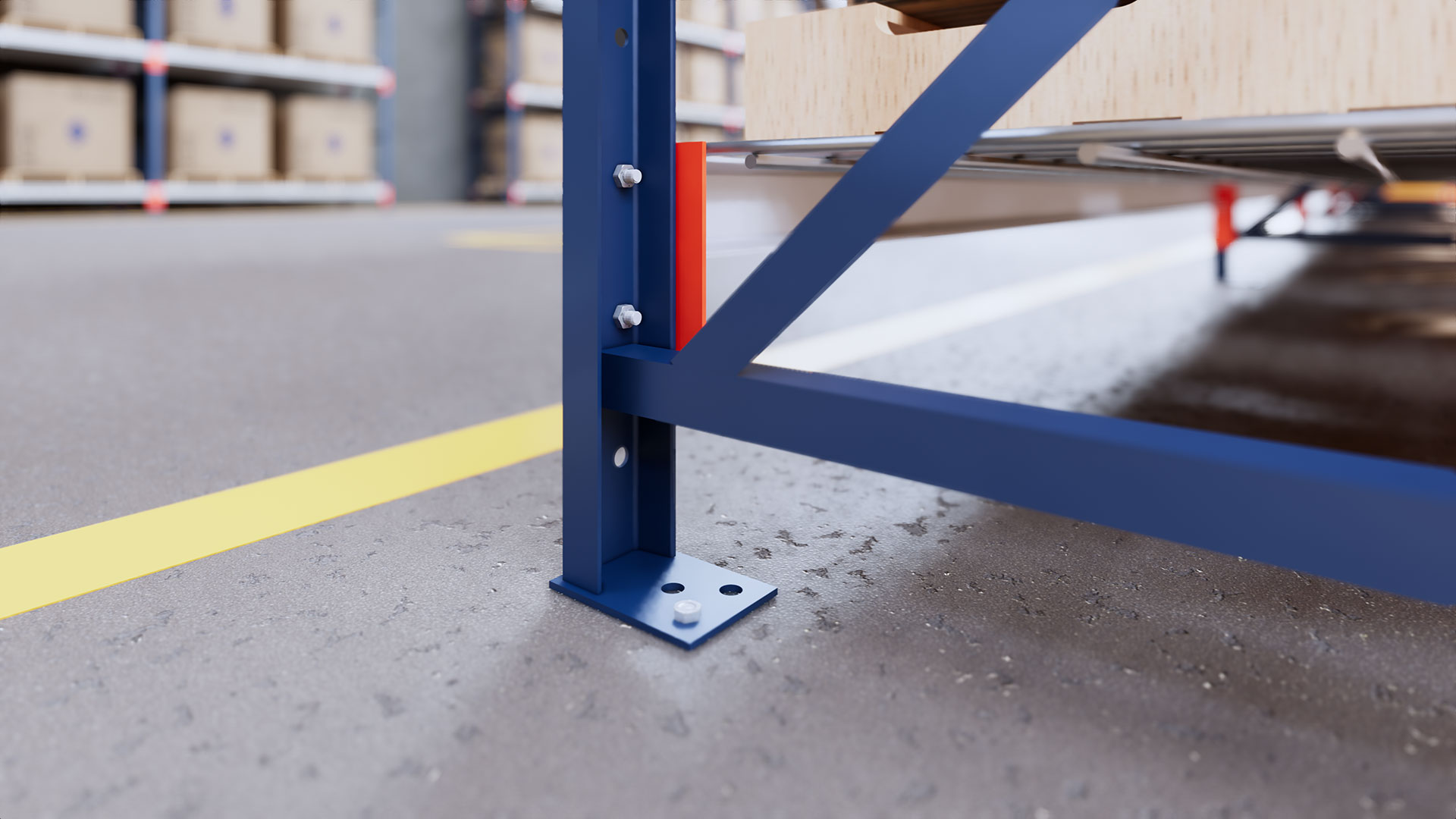
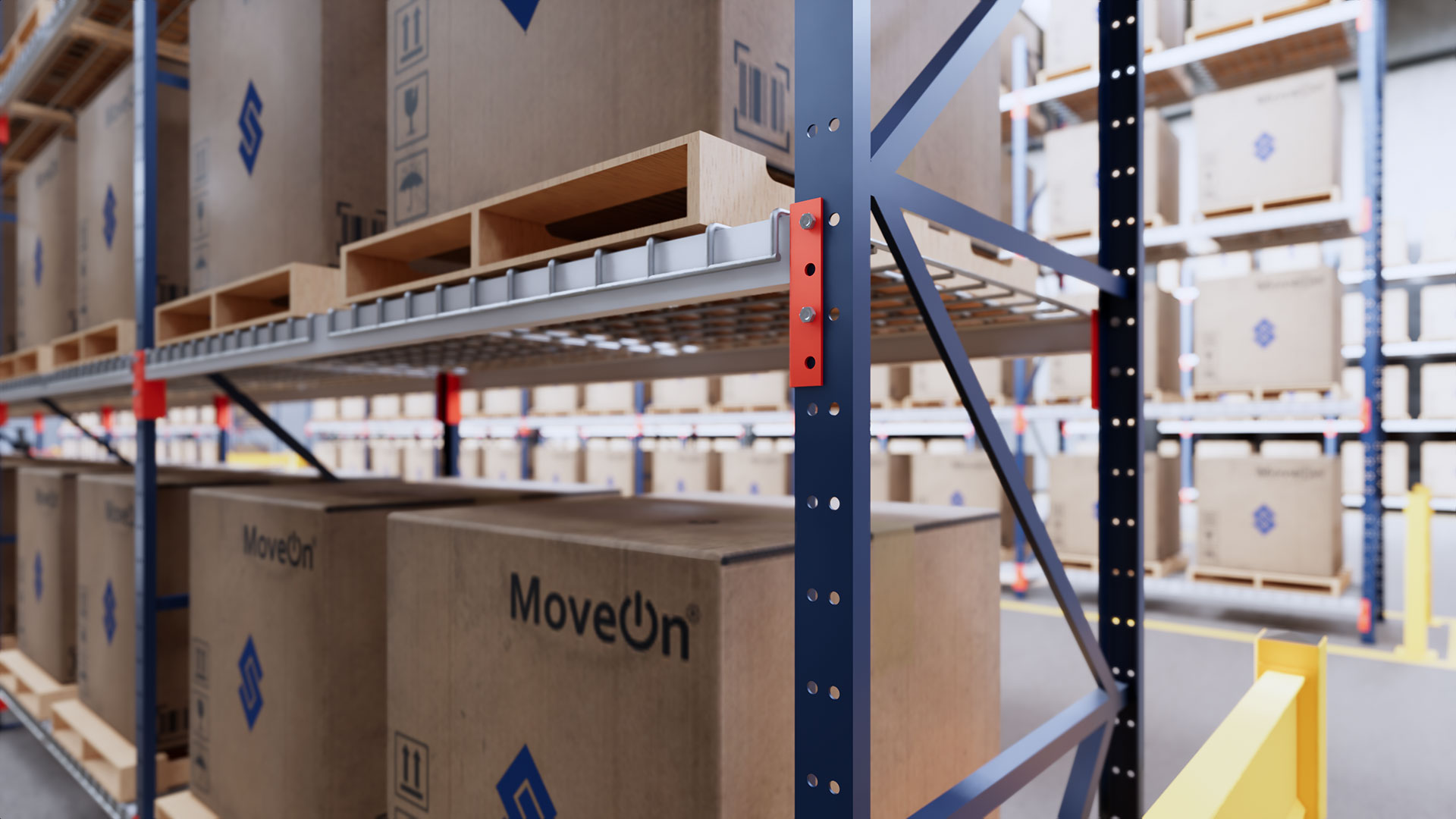
- Hot-rolled structural steel components
- Bolted construction for maximum rigidity
- Engineered for high seismic and impact conditions
ADVANTAGES
- Exceptional durability and long service life
- Superior resistance to impact
- Ideal for harsh and high-abuse environments
Considerations
- Higher upfront cost compared to roll-formed rack
- Requires proper installation
Industries
- Heavy manufacturing, cold storage, high-impact warehouses, industrial distribution, outdoor storage
Frequently Asked Questions
What is structural pallet racking?
Structural pallet racking uses structural steel components to create a durable, load-bearing warehouse storage system. It is commonly specified for demanding environments, heavy loads, and applications requiring robust construction.
What is the difference between structural and roll-formed pallet racking?
Structural racking typically uses hot-rolled steel components and bolted connections, while roll-formed racking uses cold-formed steel components and often incorporates adjustable beam connections. The best choice depends on loading, operating conditions, adjustability, and project requirements.
Is structural pallet racking stronger than roll-formed racking?
Structural racking is often selected for heavy-duty applications, but strength and capacity depend on the specific engineering design. Properly engineered structural and roll-formed systems can both meet demanding load requirements.
When should structural pallet racking be used?
Structural racking is commonly considered for high-load storage, demanding forklift environments, certain automated systems, and industrial applications requiring additional structural rigidity.